
With scientific misinformation on the rise and reduced coverage of science in traditional media outlets, could academic institutions work with their own journalism students to cover scientific discoveries? This is one approach suggested by Bill Rochlin, principal investigator of Loyola’s Neuroscience and Society program, as reported by Loyola University Chicago’s student newspaper, The Loyola Phoenix.
Putting this idea into practice, Rochlin and colleagues at Loyola’s Dana Program for Neuroscience and Society announced the winners of their second annual journalism competition last fall. The competition aims to encourage collaboration between journalism and neuroscience students to enhance their understanding of values essential for the ethical reporting of new neuroscientific discoveries and their implications.
The 2025 competition garnered 18 submissions from universities across the United States. Winning authors received cash prizes and the opportunity to network with other students at a ceremony on October 16, 2025, at Loyola.
Sophia Martinez, a junior at the University of South Florida majoring in biomedical sciences, placed first with her article, “The Silent Pandemic: How Loneliness is Rewiring Aging Brains,” which explores the detrimental neurological effects of loneliness in older adults. Her experience as a caregiver for seniors with Alzheimer’s disease inspired her commitment to public health advocacy for patients and their families affected by dementia. She hopes to continue volunteering, writing, and pursuing research in the field to improve scientific understanding of dementia and Alzheimer’s.
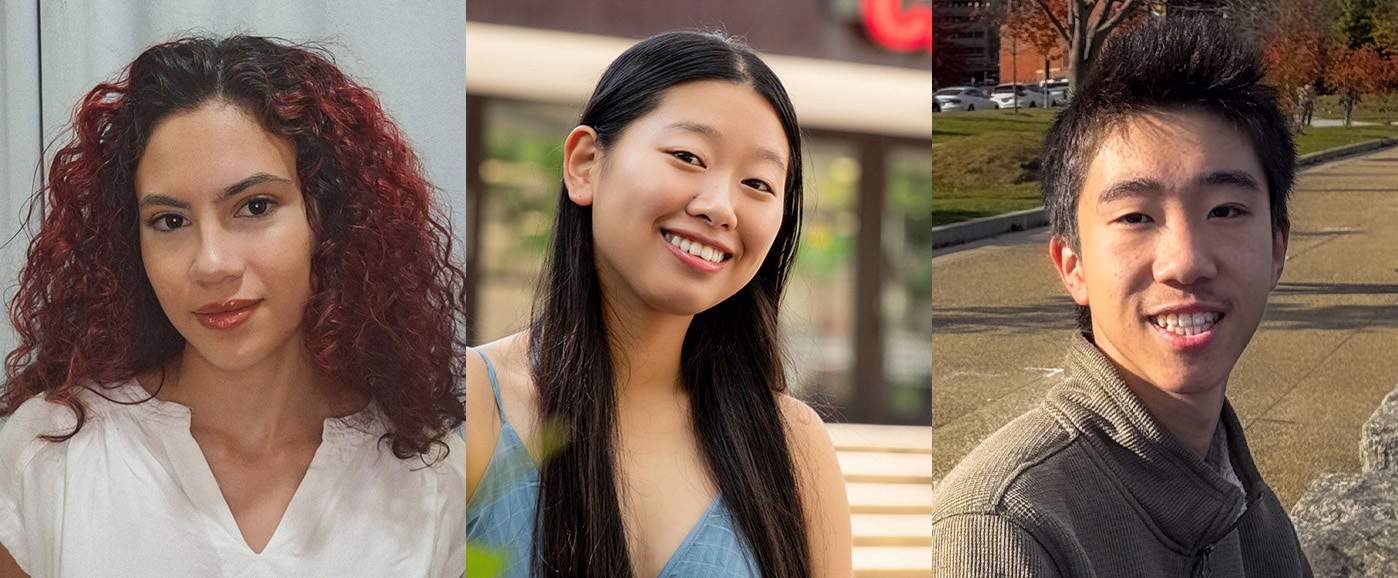
From left to right: Sophia Martinez, Tiffany Chan, and Jeffrey Mu
Second place was awarded to Tiffany Chan, an undergraduate at Rutgers University-Camden for her article, “Broken Circuit: How Childhood Trauma Rewires the Brain—and Gets Students Punished for It,” which looks at how school’s disciplinary practices risk further setback for children who are already negatively affected by trauma. Chan aspires to become a neuroscientist with a focus on neuromodulation and neurodegenerative diseases. Beyond her research interests, she is passionate about expanding trauma awareness in academic settings and creating more equitable opportunities in science and education.
Jeffrey Mu, a student at Brown University studying applied math-computer science and cognitive science, received third place for his article, “Optimizing the Mind: Brown Researchers Develop Neural Model to Understand Working Memory.” The article reports on new research exploring the workings of our memory that could help scientists address symptoms of neurodegenerative diseases and other disorders. Mu does research in perception and human-computer interaction and enjoys writing for the Brown Daily Herald. He has previously attended the Iowa Young Writers’ Studio and the Kenyon Young Writers Workshop.
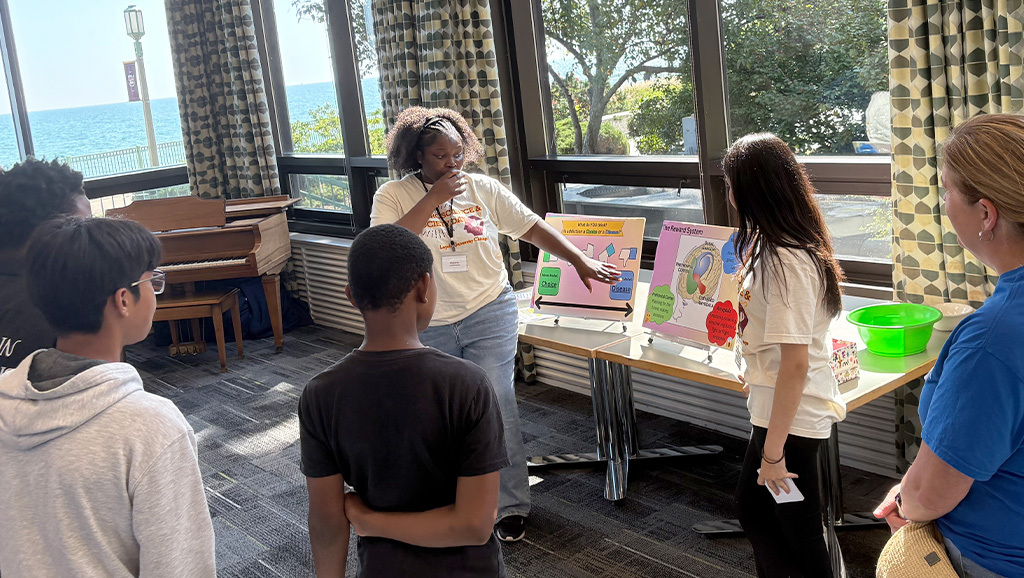
The Loyola journalism competition is one of several competitions organized by the Dana Program for Neuroscience and Society to inspire college students to think critically and creatively about how neuroscience connects to ethics, art, and business, and how it can benefit communities. In addition to running these competitions, Loyola’s program created a student-focused, interdisciplinary model for neuroscience education that fosters interest in science, technology, engineering, and mathematics (STEM) among high school students.
Loyola’s Neuroscience and Society program is part of the multi-million-dollar Dana Center Initiative, which brings together leading academic institutions, neuroscientists, and the communities they serve to co-create the future of neuroscience.