News & Insights
Co-Creating the Future of Neurotechnology Justice

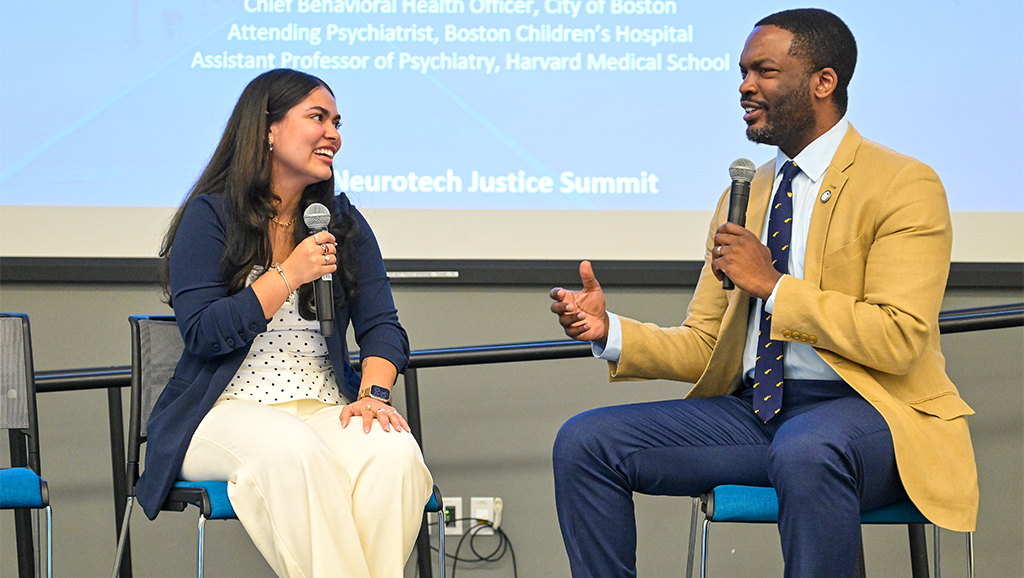
Last month, neurotechnology enthusiasts from a variety of disciplines gathered to discuss “Neurotech in Your Pocket.” On June 12, the Neurotech Justice Accelerator at Mass General Brigham (NJAM), a Dana Center for Neuroscience & Society, hosted the third annual Neurotech Justice Summit at Mass General Brigham’s Assembly Row campus in Somerville, Massachusetts.
With neurotechnology rapidly expanding alongside artificial intelligence (AI), this year’s summit explored the ethical and legal challenges of treating and researching the brain with AI-enabled technologies that accompany us on a day-to-day basis, such as smartphones and wearable devices.
In addition to ethicists, lawyers, industry leaders, clinicians, and other interdisciplinary experts, the summit invites undergraduate and graduate students, serving as a valuable networking opportunity for trainees from around the Boston area and beyond.
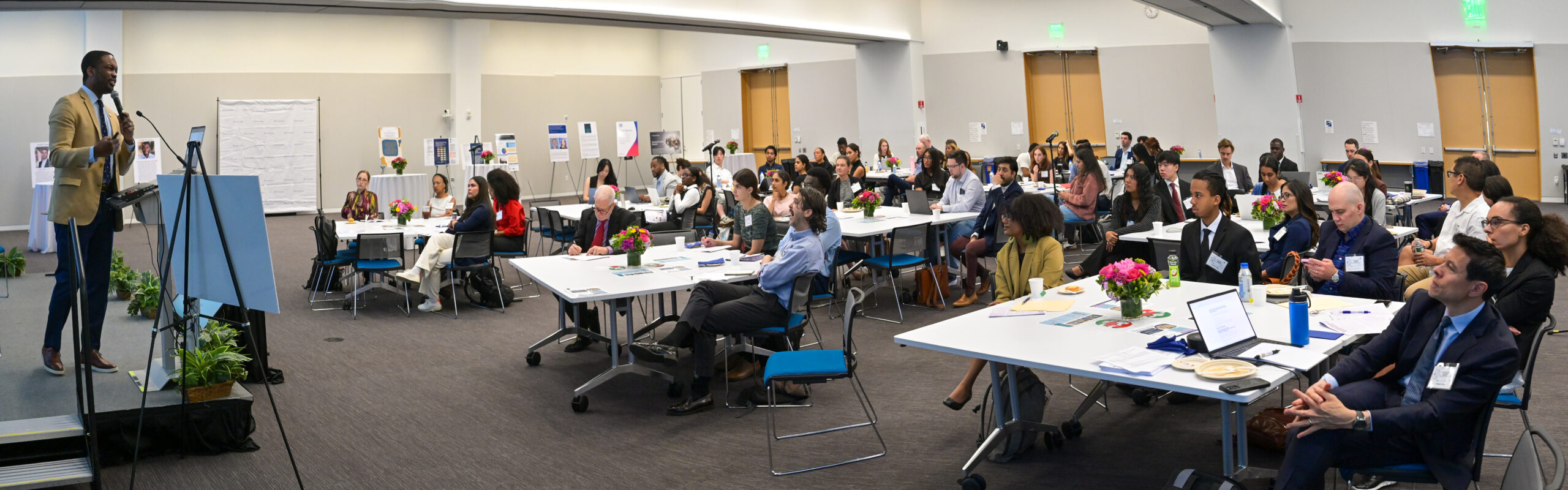
Kevin Simon delivers the keynote address at the annual Neurotech Justice Summit. Photo courtesy of Steve Lipofsky.
A New Approach to Youth Mental Health
The day kicked off with a keynote from Kevin Simon, M.D., MPH, MBA, the City of Boston’s first chief behavioral health officer, a psychiatrist affiliated with Boston Children’s Hospital, and an assistant professor of psychiatry at Harvard Medical School. Drawing from his background as a physician-psychiatrist-scientist, healthcare policy expert, teacher, and writer, Simon emphasized that “there is no neutral neurotech,” as every tool is embedded with values and assumptions. Neurotechnology, he argued, can be a trap or a door, and we decide which one we build. He also cautioned against prioritizing AI efficiency at the expense of human interaction and connection, especially when working with vulnerable populations, such as young adults. Rather than waiting for sweeping solutions, he underscored the value of pursuing incremental gains in improving youth mental health.
Simon’s keynote was followed by a panel discussion on developing digital tools to improve brain health, wellness, and mental health. The panel featured three industry leaders: Rob Baldoni, CEO and co-founder of the AI platform dannce.ai; Elsa Friis, Ph.D., MSc-GH, vice president of product & clinical at Alongside (acquired by TimelyCare); and Neguine Rezaii, M.D., an AI and computational researcher and neurologist at Harvard Medical School and Massachusetts General Hospital. The discussion was moderated by neurosurgeon and NJAM Co-Director Theresa Williamson, M.D.
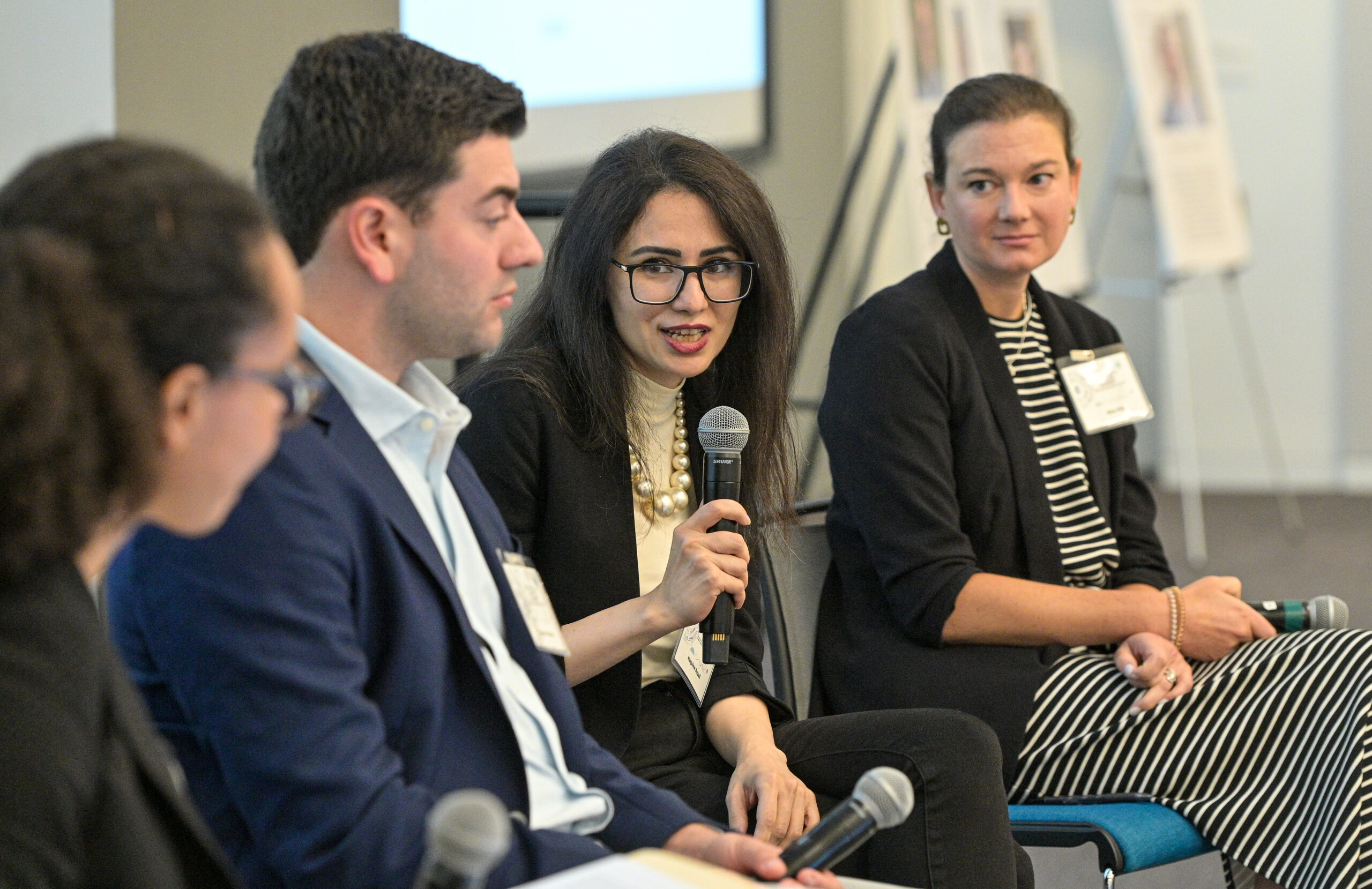
Left to right: Theresa Williamson, Rob Baldoni, Neguine Rezaii, and Elsa Friis during a panel discussion at the annual Neurotech Justice Summit. Photo courtesy of Steve Lipofsky.
Building on Simon’s keynote focus on youth mental health, Friis, a licensed clinical psychologist, discussed her work on Alongside, an AI coaching platform designed by clinicians and developed in partnership with schools to connect students with health coaching, mental health counseling, wellness tools, and staff guidance. She spoke about using technology as a catalyst to expand access to care while acknowledging the realities of pushing the bounds of innovation.
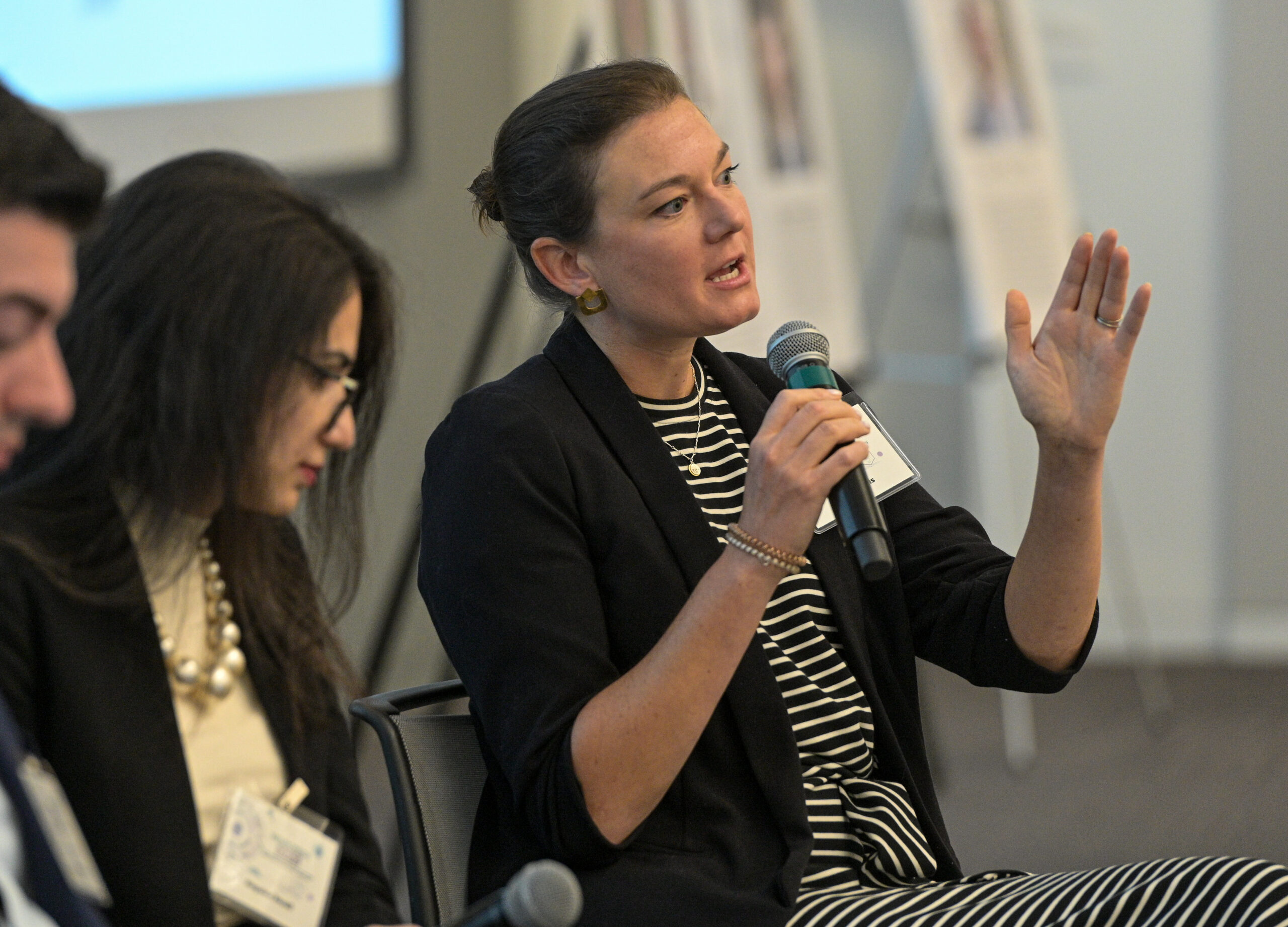
Elsa Friis speaks during a panel discussion at the annual Neurotech Justice Summit. Photo courtesy of Steve Lipofsky.
“Anytime that you are pushing things, there is not going to be a straight path,” said Friis. She offered a grounding perspective on the development of technology in this space: for students who lack a safe, trusted person to reach out to, such as a school counselor, a chatbot like Alongside may be able to provide meaningful support while helping to connect them to additional resources. Together, the keynote and panel emphasized that technology should be designed to strengthen, rather than replace, systems of human care.
The NJAM Neurotech Mismatch Analysis Framework
Neurotechnology discussions can often lead to more questions than answers. How do we gauge when a particular neurotechnology is ready for real-world use? What risks could emerge when adoption outpaces the evidence? NJAM Co-Director Francis Shen, Ph.D., J.D., an expert at the intersection of law and neuroscience, introduced a tool to help navigate these questions. NJAM’s Neurotech Mismatch Analysis Framework offers a practical approach to evaluating when a particular neurotechnology is sufficiently ready for a given clinical or courtroom use.
Attendees engaged with the framework through discussions led by NJAM Post-doctoral Fellows Emmanuel Mensah, M.D., MPH, and Javier Mesa, Ph.D., J.D., who introduced use cases in law and medicine. They described the use of quantitative electroencephalography (qEEG) as evidence in the courtroom to assess brain function in injury or competency proceedings and discussed a future where patients’ AI usage history guides clinical decision-making. NJAM Co-Director Gabriel Lázaro-Muñoz, Ph.D., J.D., served as discussant for the case studies, walking through the neuroethical tensions and potential solutions.

Attendees participate in a small-group discussion at the annual Neurotech Justice Summit. Photo courtesy of Steve Lipofsky.
Later, attendees worked in small groups to apply the NJAM Mismatch Analysis Framework to critically examine the social applications of neuroscience and weigh the perils of adopting neurotech too quickly and too slowly. This exercise reflected one of the summit’s greatest strengths: bringing together scholars from neuroscience, law, ethics, philosophy, technology and innovation, industry, medicine, and other disciplines to test and refine ideas collaboratively. Conversations drew on participants’ diverse expertise to examine ethical questions surrounding technologies such as deep brain stimulation, the use of AI in clinical care for neurological conditions, and the need for expanded interdisciplinary training. Early-career trainees contributed alongside established experts, reinforcing NJAM’s commitment to mentorship while demonstrating that meaningful advances in neurotechnology development, governance, and dissemination depend on active engagement from leaders at every stage of the career pipeline.
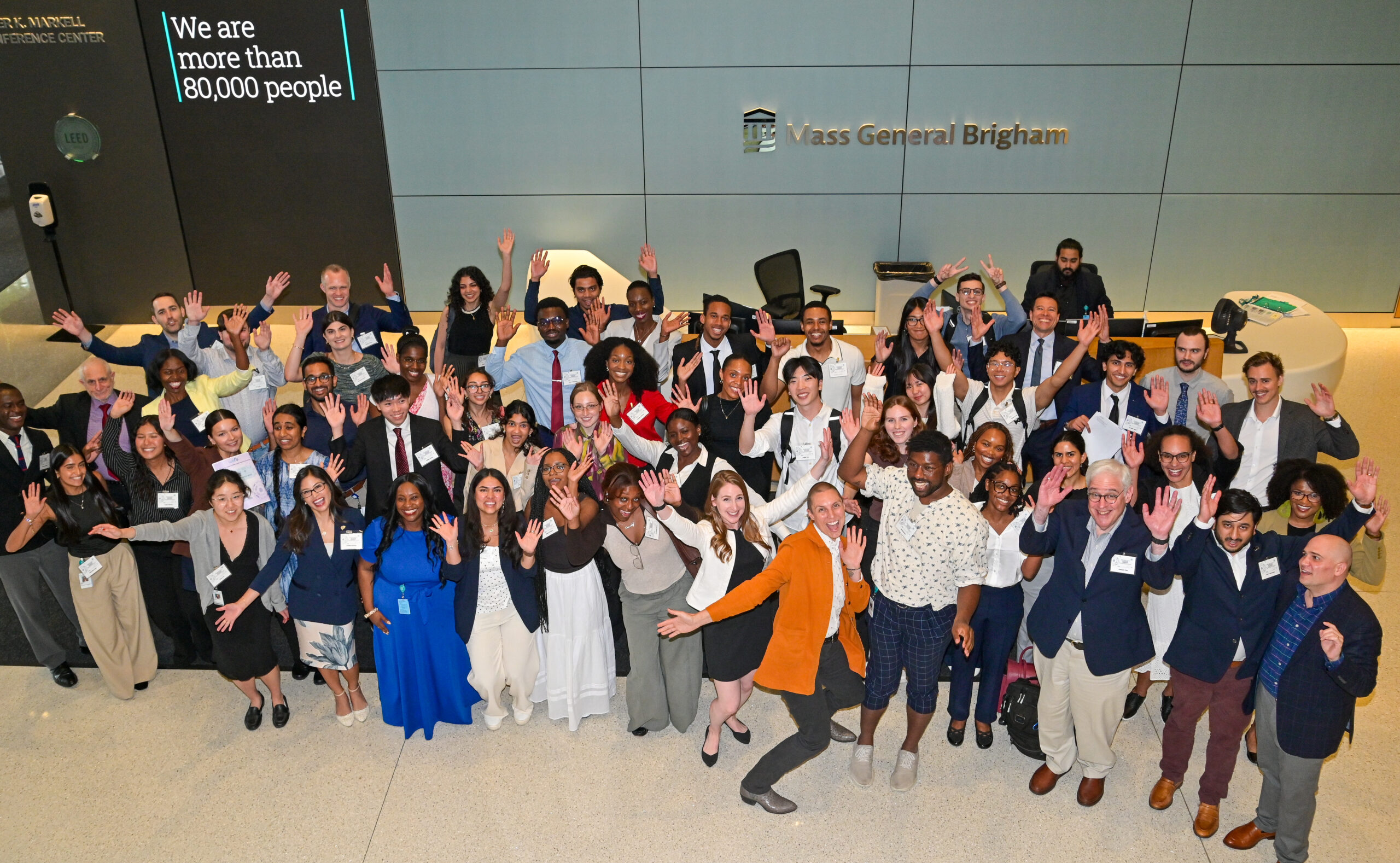
Neurotech Justice Summit speakers, organizers, and attendees gather for a group photo. Photo courtesy of Steve Lipofsky.