News & Insights
Bringing Community Priorities Into Science

Illustration by Dedraw Studio - stock.adobe.com
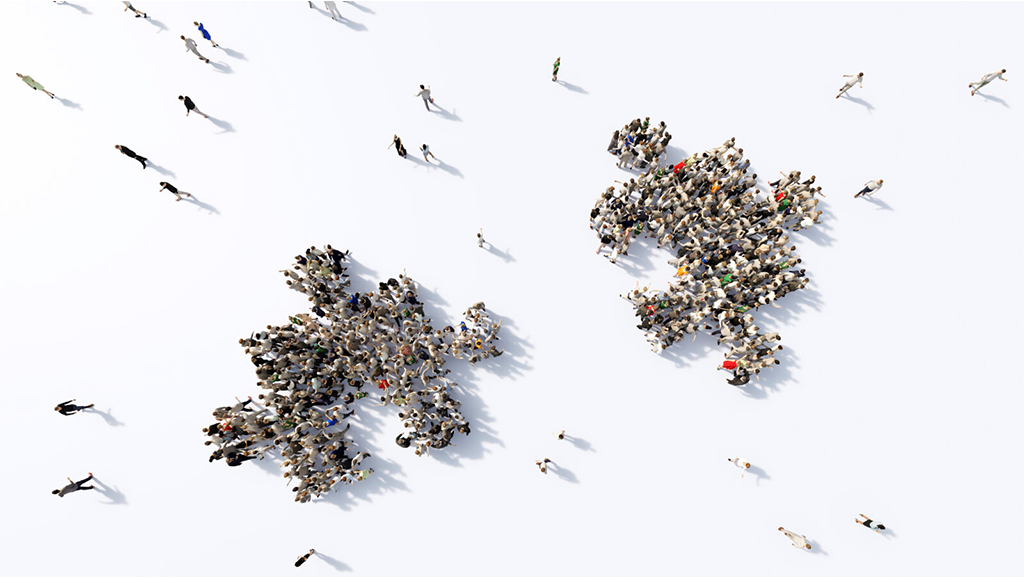
The body of knowledge and evidence-based approach that we know as science today has forefathers throughout the 16th and 17th century. How do we ensure that this long-established process reflects the needs of communities today? Enter civic science.
Civic science is a growing field of research and practice that seeks to create opportunities for all people to shape and benefit from science, technology, and innovation. It aims to engage diverse publics in shaping the scientific process, making science more relevant and accountable to society. This is directly in line with the Dana Foundation’s mission to advance neuroscience that benefits society and reflects the aspirations of all people. By creating opportunities for different communities to shape the direction of the field, we can broaden the knowledge, values, and experiences that go into decisions about what neuroscience research should prioritize, how discoveries should be used, and who benefits from its advancement.
The Civic Science Fellows program puts these ideas into practice by preparing boundary spanning leaders who can connect scientific institutions with communities, policy, and other civic settings. Through projects at host organizations and a shared learning network, fellows develop and test ways for researchers, communities, and other stakeholders to work together. They are guided to give community priorities and scientific knowledge a shared role in defining problems and developing solutions so that more people benefit from science.
The program’s current 2026 – 28 cohort is its fourth and largest. It includes 44 fellows supported by more than 60 funding and host partners, working across academic institutions, community organizations, and other scientific and civic settings.
Through grants to host partners, the Dana Foundation has previously supported fellows whose work has aimed to democratize psychedelic research, explore civic science behaviors and attitudes amongst scientists, formalize engagement training for neuroscience researchers, and foster public engagement with the ethical impacts of neurotechnology. The Foundation is proud to support three fellows in the current cohort.
At Columbia University’s Center for Justice, Michael Tineo will work with researchers, practitioners, and people affected by the justice system to develop ways of evaluating interventions that expand research opportunities and improve outcomes for justice system-impacted individuals. Together, they will examine how success should be defined and which outcomes matter most to communities, including changes in safety, psychological well-being, and trust in public agencies.
The work will draw on initiatives such as Project Restore, which combines case management, life skills training, and trauma-healing support. By bringing community perspectives into evaluation design, the fellowship aims to help researchers and partners understand how, for whom, and under what conditions interventions work. It will also help expand the Center’s connections with neuroscience researchers, particularly in neurolaw, creating opportunities to bring neuroscience into conversation with community knowledge and the Center’s work on justice and well-being.
Tineo brings more than 15 years of work with justice-impacted communities. He previously supported incarcerated students and coordinated academic programs at Sing Sing Correctional Facility through Hudson Link for Higher Education in Prison. He holds a master’s degree in professional studies from Union Theological Seminary and a bachelor’s degree in behavioral sciences from Mercy University.

2026 Civic Science Fellow Nora Linzer. Photo courtesy of Nora Linzer.
At the Science Philanthropy Alliance, Nora Linzer, Ph.D., will explore how civic science can inform funding partnerships that connect scientific discovery with societal benefit. She will collaboratively develop tools and guidance to help philanthropic organizations work together and with partners in other sectors.
The Alliance works to expand philanthropic support for discovery science and make that support more effective through advising, learning opportunities, and connections among funders. Linzer’s fellowship will build on this work by developing webinars and other communications, providing strategic support for events and special projects, and sharing lessons through case studies. Her work will help funders build and sustain partnerships, coordinate resources and expertise, and respond to emerging needs and opportunities in research, science policy, and public engagement.
Linzer brings a background in astrophysics. Before becoming a fellow, she developed high-resolution simulations of the interstellar medium and studied the transport of high-energy particles and radiation at Princeton University where she completed her doctorate. She earned her bachelor’s degree in physics at the California Institute of Technology.
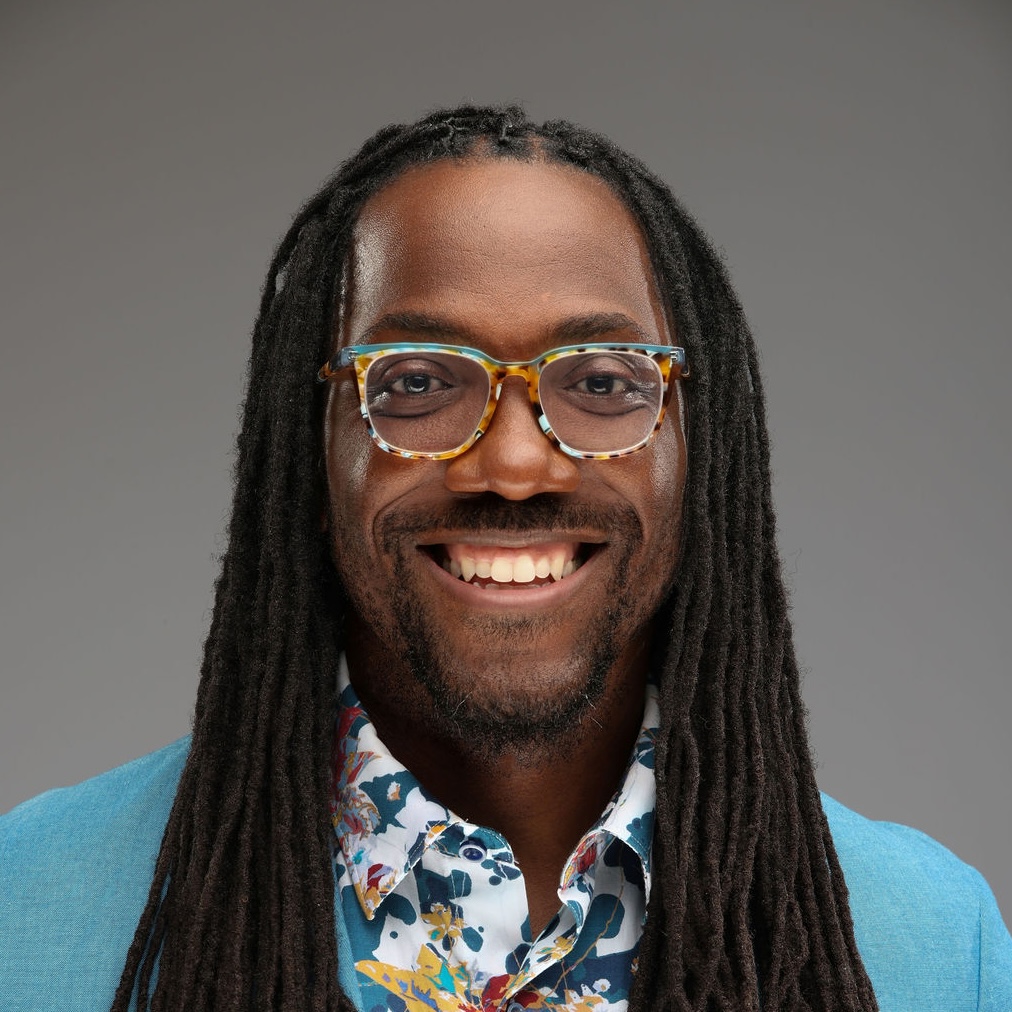
2026 Civic Science Fellow Easton Davis. Photo courtesy of Easton Davis.
Easton Davis, Ph.D., is based at the Center for Black Excellence and Culture in Madison, Wisconsin, working closely with the University of Wisconsin–Madison’s Center for Healthy Minds and local community partners. His fellowship will connect the Center’s scholarship on Black history, community life, cultural traditions, and spiritual practices with neuroscience research in areas such as brain health and mental well-being. Through this work, Davis will develop collaborations grounded in community priorities, alongside a shared learning agenda and a toolkit to support future community-academic partnerships.
A healing-centered educator and trained intergroup dialogue facilitator, Davis explores connections among bodily experience, healing, and racial justice. He earned his doctorate and master’s degree in cultural foundations of education from Syracuse University and a bachelor’s degree in sociology from Randolph-Macon College.
“Public interest in science is everywhere, but opportunities to connect with science are not,” said Dana Foundation Vice President Khara Ramos, Ph.D.
The Civic Science fellowships help create those opportunities by providing time and support to develop relationships, explore shared priorities, and test ways of working together. This is particularly relevant to the Dana Frontiers program, which aims to support community and institutional capacity for sustained collaboration and uncover what helps community knowledge meaningfully influence neuroscience research.