News & Insights
Jen French Takes Neurotechnology into the Wild
Recipient of the 2026 Dana Foundation Neuroscience & Society Champion Award
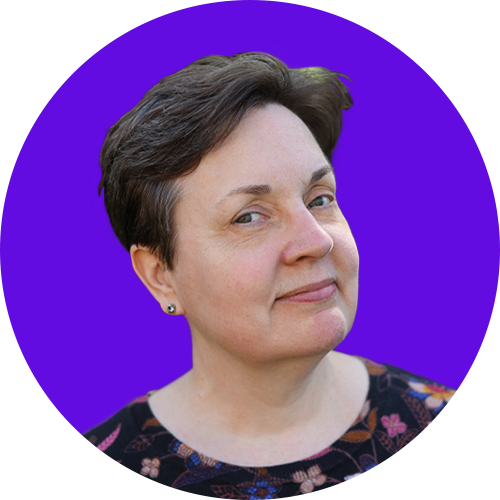
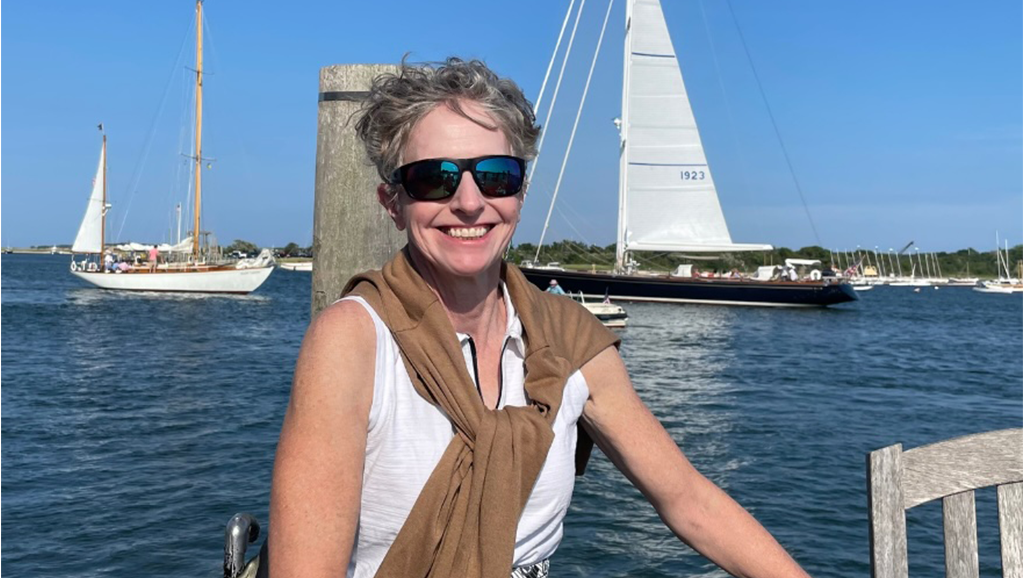
Photo courtesy of Jen French.
In 1999, Jen French applied to a clinical trial in Cleveland that was testing an implanted system that could help people with paralysis stand. She had injured her spinal cord in a snowboarding accident the year before and now lives with tetraplegia. The researchers turned her down. They had never implanted a woman.
French wanted to know why. About 20 percent of people with spinal cord injuries are women, she pointed out. When were they going to implant one? And why shouldn’t it be her?
She got in.
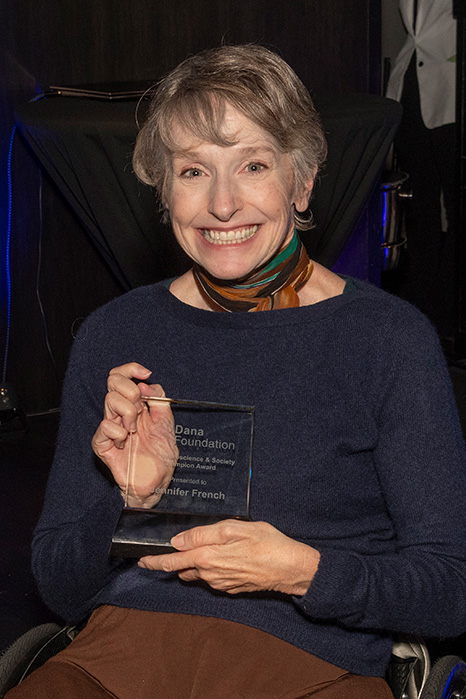
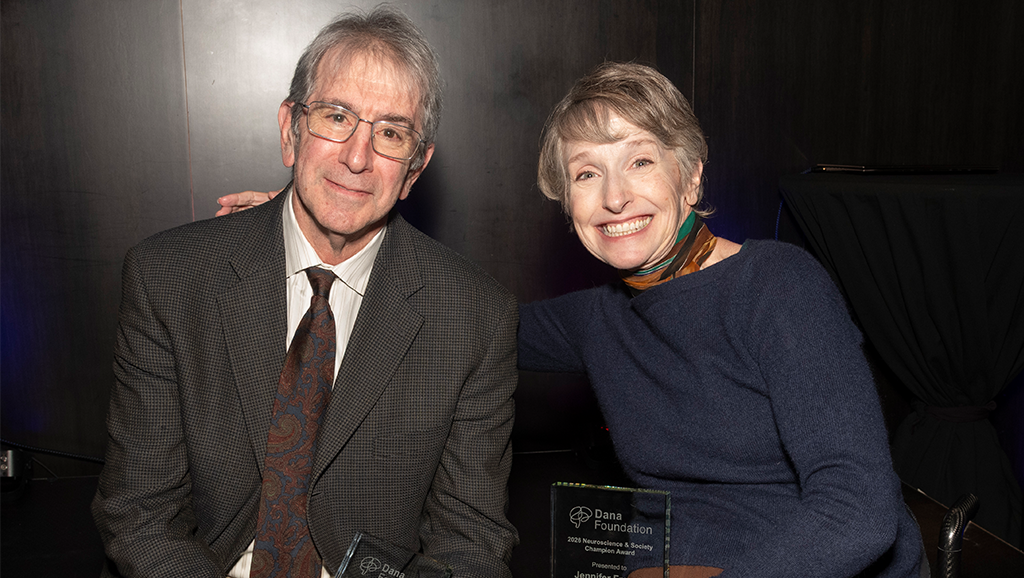
Jen French with her award at a Dana Foundation reception held during the 2026 Society for Neuroscience meeting in DC.
More than 25 years later, she still uses that system to stand, exercise, and move. She has spent those years making sure the people who live with neurotechnology help decide how it is designed, tested, paid for, and supported. She co-founded Neurotech Network, chairs the board of the American Brain Coalition, and co-leads the Implantable Brain-Computer Interface Collaborative Community (iBCI-CC), the first federally recognized collaborative community in clinical neuroscience.
French was recently honored by the Dana Foundation as one of two 2026 recipients of its Neuroscience & Society Champion Awards. Here, she talks about what users see that developers miss, why FDA approval is only halfway to getting a device to the people who need it, and what happens to people when companies walk away.
Your advocacy started before you were ever implanted. How?
I was faced with a diagnosis that so many people with neurological conditions face: there is no cure, you just have to go home and live with it.
So I did what so many people do and looked for a clinical trial. Partly I was looking for some other care, but I also thought, if I can’t do anything else, I might as well contribute to science. Stem cells were very popular then, and I didn’t understand a thing about them. But I did understand technology.
I found the clinical trial in Cleveland, and initially, they rejected me. I thought I met all of the inclusion and exclusion criteria, but their letter said, we’ve never implanted a woman before. Honestly, they were being on the safe side. The implant goes in the abdomen, and they didn’t know how it would affect a pregnancy and the unborn child, so there was a lot of background research they had to do. Eventually I was screened and entered into the trial. My advocacy really stemmed from that.
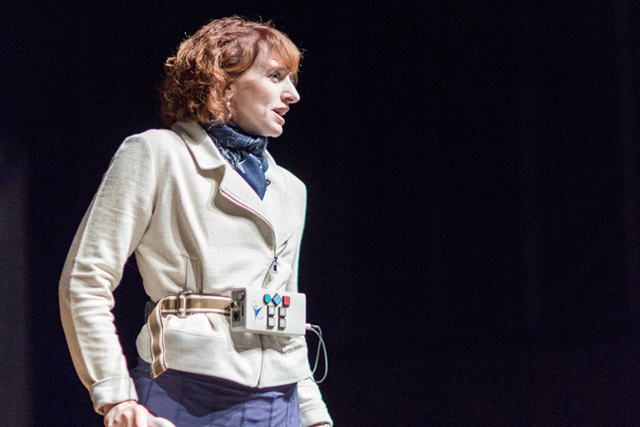
Ted Talk on breakthrough medical technologies in 2014. Photo courtesy of Jen French.
You then set out to learn the field from every side. What were developers missing?
I went to research conferences to understand the science and worked at Neurotech Reports to understand the industry: once you make a discovery in the lab, how do you translate it into a product, into the clinic, into availability? What I landed on was that the voice of lived experience is not always as loud as it should be in medical device development.
Before I was injured, I worked in marketing research and consumer technology. We did focus groups on what type of pizza to develop. It amazed me that in medical devices, the end user’s voice ended at the clinician. Hats off to clinicians, but they only get a snapshot of a life. We live with our conditions 24 hours a day, seven days a week.
You have to understand how people will use it in the wild. Who knew I’d use my standing system heeling on a sailboat? Or to walk down the aisle at my wedding, or to stand for the seventh-inning stretch at a baseball game? Out in the wild, the technology becomes our partner.
You’ve used the same experimental system for more than 25 years. What happens when the company behind someone else’s implant goes out of business?
Some of the researchers call the external control unit my “Radio Shack” box. It’s still the same size, and I still use it. When it comes to device abandonment, I’m one of the very fortunate ones. I’ve been able to stay in a long-term clinical trial and keep using it, and I think it keeps me healthy.
We live in a capitalistic society, and I completely understand that there are winners and losers. But it’s very different when people rely on and live day to day with these devices, particularly implanted ones. It’s not like going to the iPhone store and replacing your phone. When something gives you function and keeps you healthy, and suddenly it’s gone, that’s a very different experience, ethically, morally, and clinically.
It also breaks trust. When NeuroControl went out of business in 2001, the spinal cord injury community developed a distrust that still surfaces today, as people look at the next generation of implants for paralysis. We need to come up with a solution collectively. We can’t leave people alone with abandoned implanted devices.
What’s standing in the way of getting new devices from the lab to the people who need them?
Industry wants a consistent pathway from point A to point B. But it can take something like five to seven years from FDA approval to reimbursement, and reimbursement is how people get access. Not everyone has $60,000 to $100,000 lying around for a surgery. While the public thinks that if it’s FDA approved, it’s accessible. It’s not.
Translation also depends on trust. If we already distrust what’s done on social media with the data from our fingers and a phone, imagine data coming out of our brains, the greatest computer we know. There’s no checklist for building trust. We’re humans, and we live in a gray space.
When you launched the iBCI-CC with early support from Dana, you had to persuade people it should exist. Now it has more than 600 members. What changed?
When Leigh Hochberg [neurologist at Massachusetts General Brigham], Joe Lennerz [former medical director at Massachusetts General Brigham], and I started, it felt like we were selling an idea. We were the first collaborative community in clinical neuroscience, and boy, we didn’t know what we were getting ourselves into. I swear we spent the first year and a half to two years explaining what a collaborative community is, what a pre-competitive space is, and why all those voices are important.
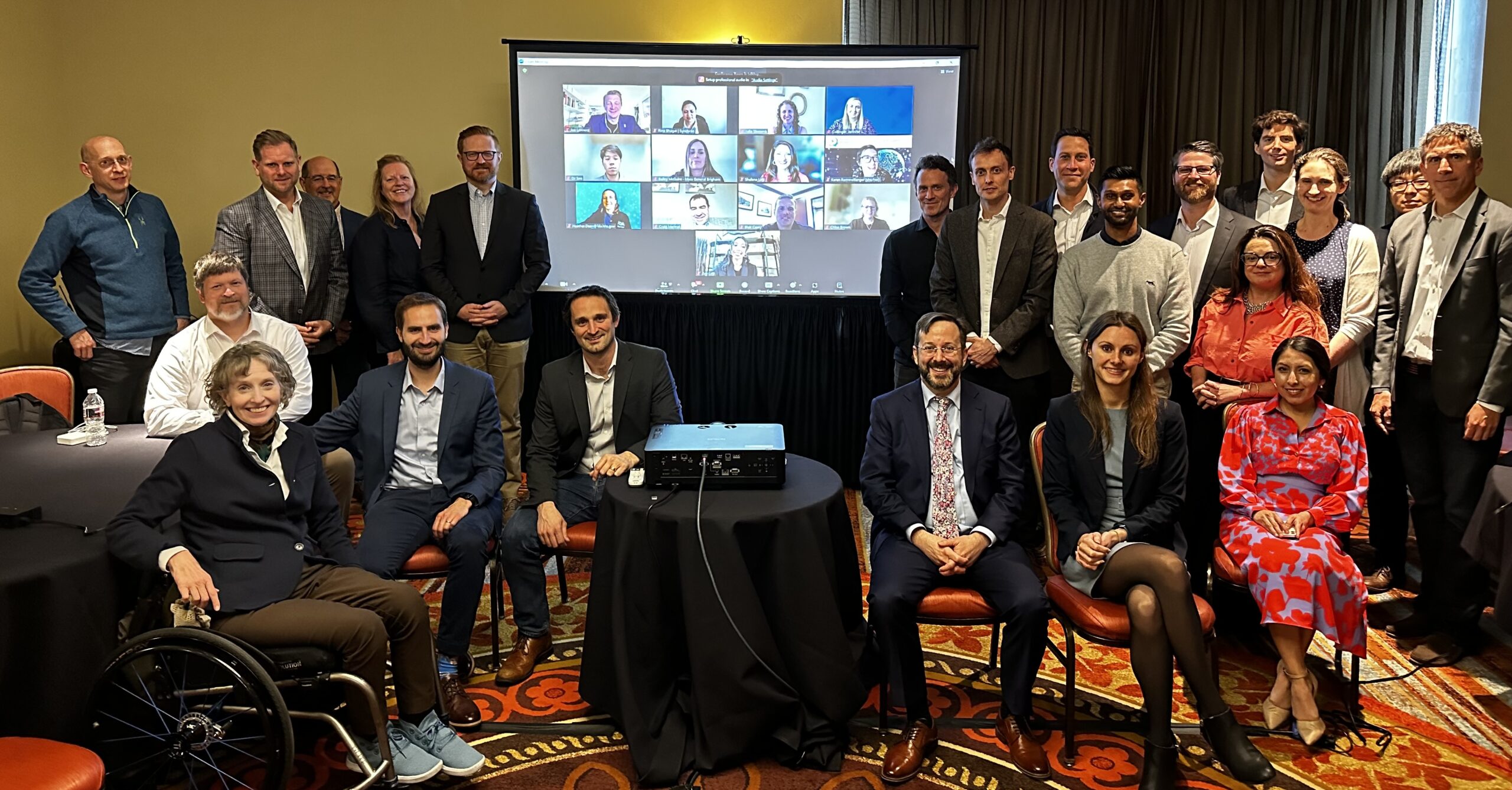
IBCI-CC Workgroup Kickoff Meeting. Photo courtesy of Jen French.
We organized our workgroups around the unanswered questions in this field. How do we work with payers to close that gap between approval and payment? How do we choose the right endpoints for clinical trials, with the end user’s perspective built in? Coming off our third annual meeting, it’s amazing the work we’ve gotten done. We also now have two Dana-supported ethics fellows, at UCLA and the University of Pennsylvania, looking at translation through an ethical lens.
As chair of the American Brain Coalition, you found that patient groups and device developers both needed help working with each other. What was missing?
Through our work advising the FDA’s Total Product Life Cycle Advisory Program, we learned there’s a gap on both sides. Some patient advocacy organizations have amazing ambassador programs, but many smaller ones just don’t have the capacity to train their constituents. And the industry startups in the program were missing a link: how do you engage with a patient advocacy organization, or embed lived experience in product development?
So, with seed funding and advice from the Dana Foundation, we built a community engagement platform. SHARE helps patient groups build engagement programs and train ambassadors, people who can speak not only to their own experience but to their whole community. That’s very different from being a clinical trial participant; there’s a different power structure. CARE speaks to the industry and research side. We launched in May.
Industry often says, just tell me what buttons you want on the front of your device. I could tell you what I want, but that won’t give you a sustainable product. There’s a process you need to go through to get to the right answers, and our CARE platform speaks to that. I’ve learned that spending a lot of time listening before acting is critical. The pushback helps you refine your mission.
What’s next for you?
I’ve been thinking a lot about that lately. Let me put it this way: Ten years ago, we started the North American Spinal Cord Injury Consortium. I still sit on the board, but more as an advisor, and it’s so gratifying to watch a new generation of leaders shape it. There’s always a time to say, this is your baby now, take it and run with it.
We’re not quite there with ABC and the iBCI-CC, but we’re getting there quickly. At ABC, our Civic Science Fellow, Olivia Mills, runs the engagement platform and the Executive Director, Katie Sales is growing the program, and it’s nice not to have my fingers in all the details.
Since college, I’ve been involved in entrepreneurship. People think of it as spinning out a business, but it takes a lot of forms: a center within a larger organization, a consortium, a nonprofit. To me, it’s about taking an idea and helping it flourish into something sustainable.
You won a Paralympic silver medal in sailing in 2012. Are you still on the water?
I don’t race at different venues around the world like I used to. Now I have a bigger challenge: I sail with my husband. Most couples fight over finances; we fight over mark roundings. It’s all in good fun. I sail around the Tampa Bay area. Now, we’re building a fully wheelchair-accessible sailing catamaran, so my husband and I will both be able to sail on it. It’s a three-year project, and we are deep into it now.
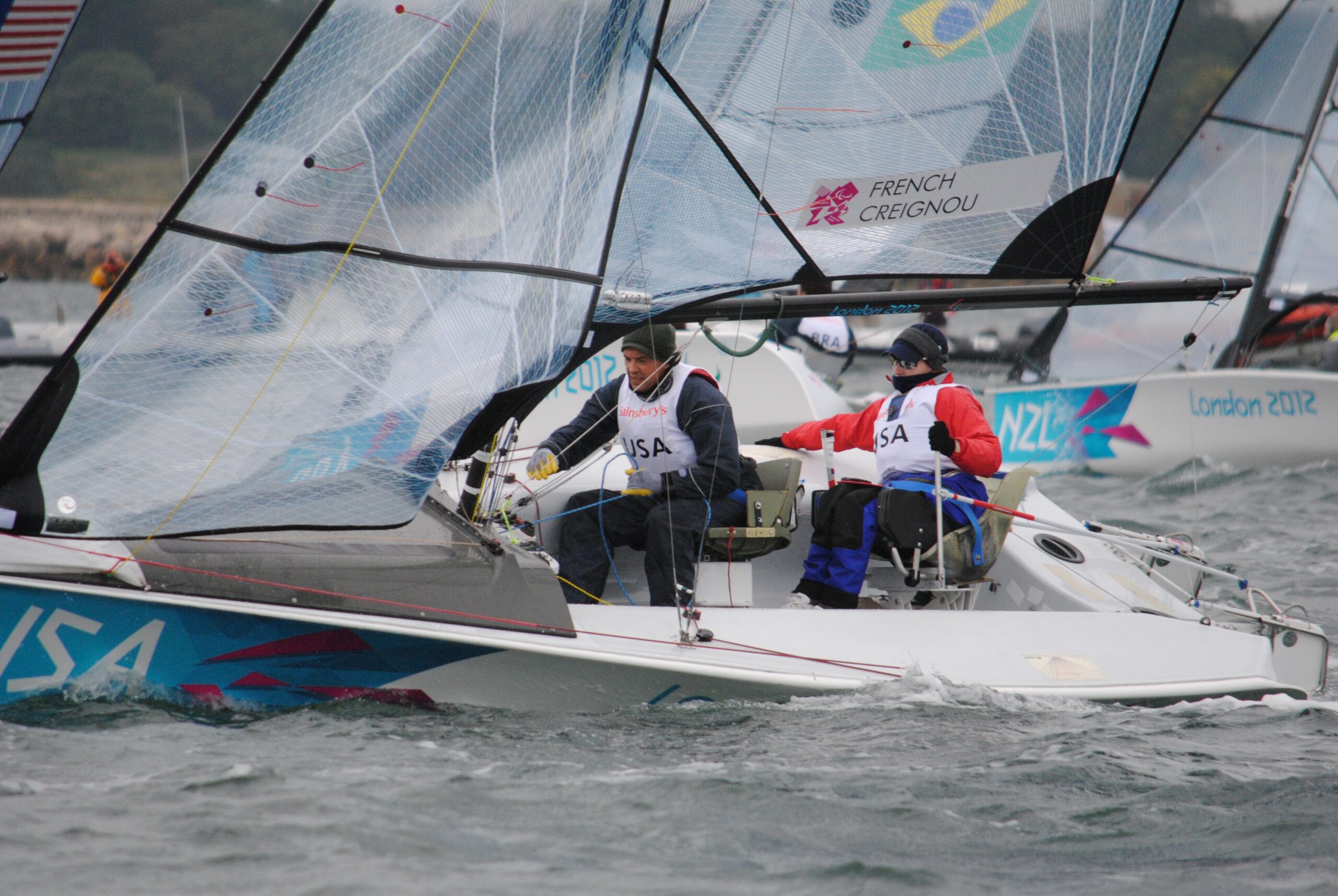
Sailing in the 2012 Summer Paralympics in London. Photo courtesy of Jen French.
Recommended Reading
Eric H. Chudler Champions Curiosity and Access
Dana Foundation Announces 2026 Neuroscience & Society Champion Award Recipients