News & Insights
Pursuing Career Paths in Neuroscience and Society

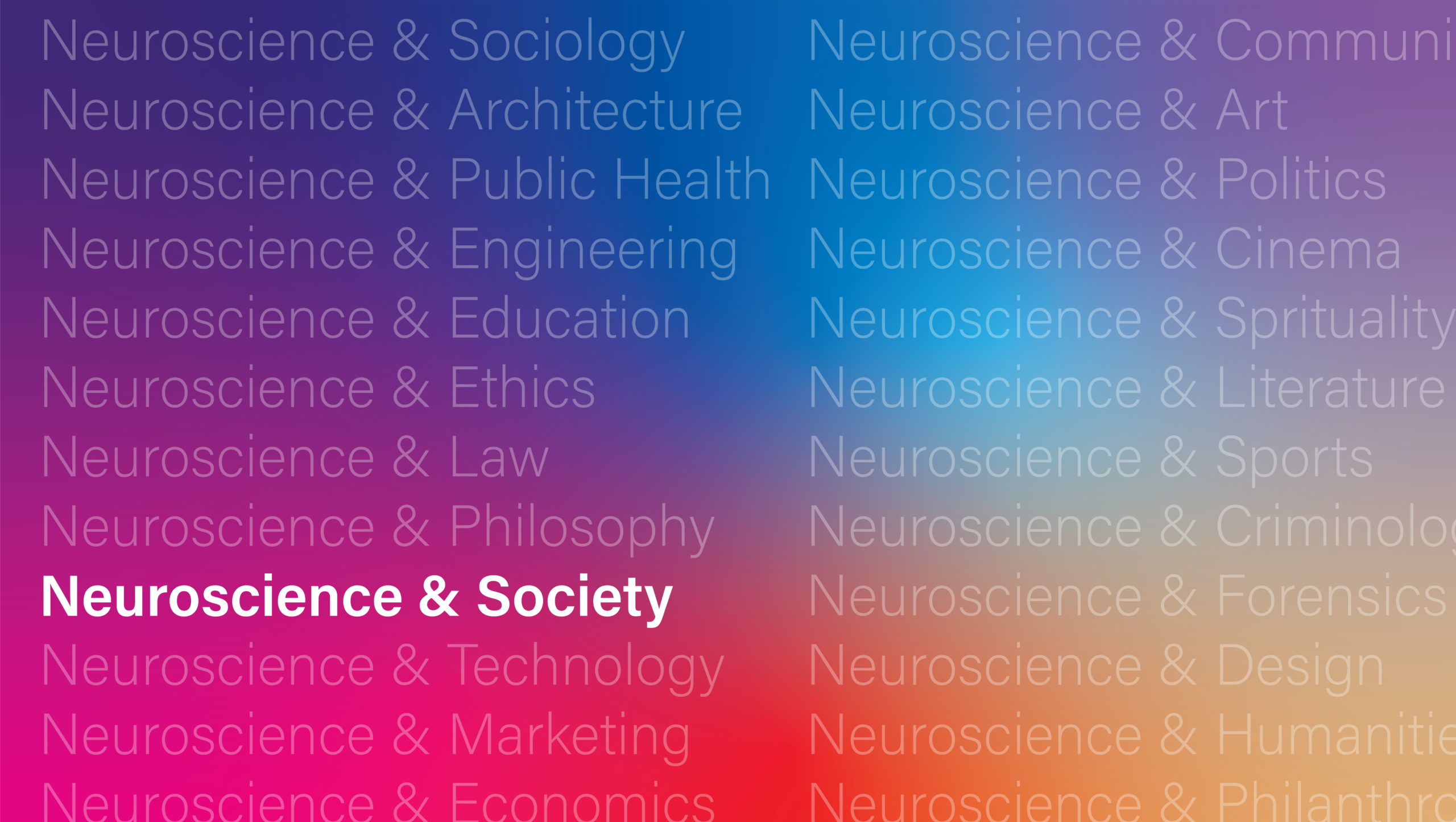
What does a career in neuroscience and society look like? How does one pursue a career at this intersection? The Career Network in Neuroscience & Society was established to help answer these questions for aspiring neuroscientists, students, and early-career professionals in other fields who are looking to understand the ethical, legal, and societal implications of neuroscience. By highlighting how neuroscience can collaborate with other fields like law, marketing, economics, and politics, the Career Network serves as a resource for exploring these intersections, discovering new career paths, and connecting with experts who work across neuroscience and disciplines beyond medicine and the natural sciences.
Each year, the Career Network offers support through its virtual career fair, which provides opportunities to learn from and network with interdisciplinary experts. This year’s Neuroscience & Society Virtual Career Fair will be held on September 14-15 from 7-9 pm ET (4-6pm PT/ 5-7pm MT/ 6-8pm CT) each day. The event is free and open to anyone interested in neuroscience-related career pathways, including high school and college students, recent graduates, and early-career professionals. Interested attendees can register here.
Speakers this year include Dana Frontiers Program Director Devon Collins, Ph.D., Craig McFarland, M.S., a former Neurotech Justice Accelerator at MGB Fellow and current Knight-Hennessy Scholar, and neurolaw expert and Career Network Founder Francis X. Shen, J.D., Ph.D. More speakers will be announced in the coming weeks.
The first day of the career fair will focus on neuroscience and society fields such as neuroeducation, neurolaw, neuroeconomics, and many other “NeuroX” fields. The event will kick off with a panel entitled “Charting Successful Careers in Neuroscience & Society,” followed by breakout room discussions led by NeuroX field experts.
The second day will focus on the field of neurotechnology, starting with a panel on “Pathways to Neuroscience Graduate School and Industry Careers in Neurotech” and followed by additional breakout room discussions with representatives from industry and neuroscience graduate programs.
“This year we are placing a special emphasis on careers beyond academia,” says Shen. “Attendees will have an opportunity to learn how experts have used their neuroscience training to succeed in journalism, consulting, the neurotech industry, marketing, and more.”
Shen has received positive feedback from previous career fair attendees and speakers. One speaker highlighted the continued engagement after the event, saying, “Many of the participants subsequently connected with me on LinkedIn, so we could follow up our discussion.”
An attendee also shared the impact of the career fair on her journey in neuroscience: “Through this event, I clarified what area in neuroscience I would take moving forward, how to refine my idea, and how to observe the intersections in neuroscience more closely.”
Last year, we interviewed Farron McIntee, Ph.D., former Career Network associate director and senior fellow, to dive deeper into why this fair is beneficial for those looking to further their careers and figure out their next steps. “Our current systems of training promote specialization,” she shared. “But because neuroscience has such broad social application, we need new leaders who have received interdisciplinary training and work collaboratively.” This still holds true.
Find 2024 career fair sessions and additional interviews from the Career Network on YouTube.